Looking for a QuickBooks Alternative?
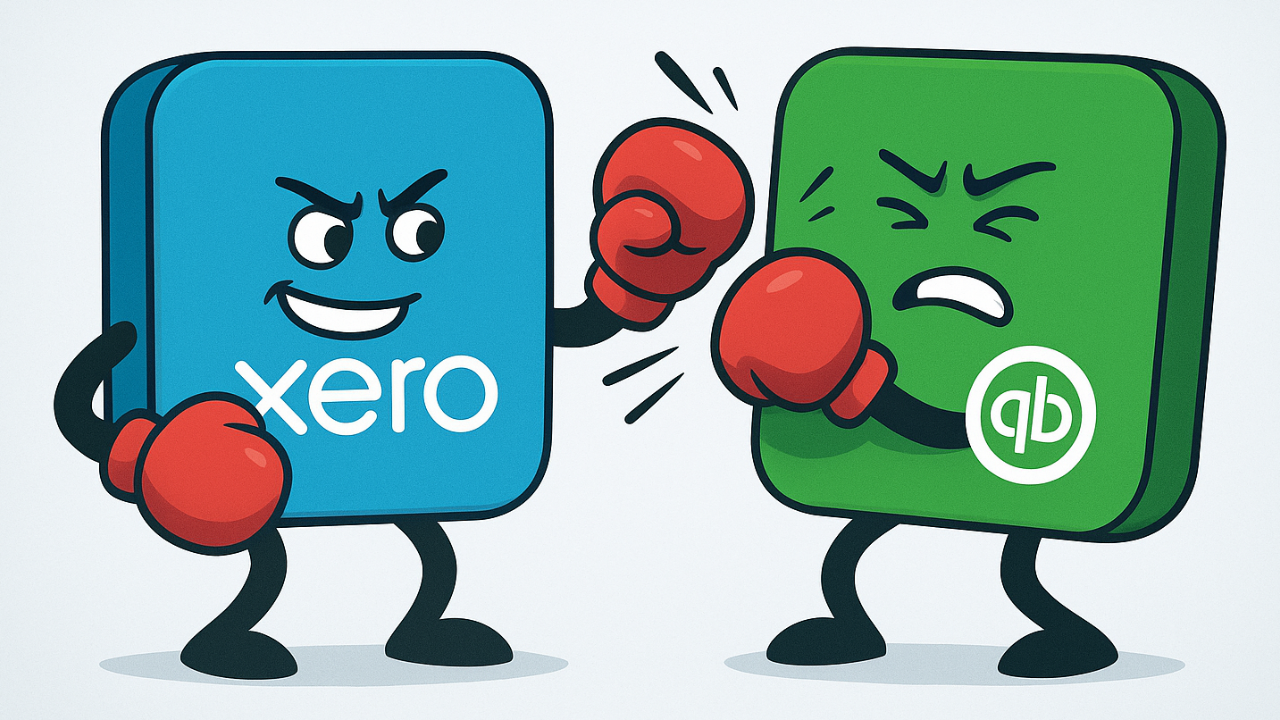
Here's Why We Recommend Xero
If you're here because you searched:
- QuickBooks alternatives
- Xero Bookkeeper
- Switch from QuickBooks to Xero
...you're not alone.
Every week, business owners ask the same question:
"Is there a better option?"
At Elmwood Bookkeepers, we've worked extensively in both QuickBooks Online and Xero. After years of supporting clients on both platforms, we made a deliberate decision:
We're a Xero-first bookkeeping firm.
Founded in 2006, Xero is trusted by millions of subscribers across more than 180 countries. It's one of the world's leading cloud accounting platforms and has earned the trust of professionals worldwide.
We don't just recommend Xero. We run our own firm on it.
Most importantly, we believe it gives our clients a stronger foundation to run their business.
Here's why. . .
Better Security
A quick Google search will surface years of discussions from business owners, accountants, and bookkeepers sharing their experiences and concerns.
We encourage you to do your own research and decide what level of security gives you the most confidence. However, those conversations only reinforced our decision.
Xero requires app-based multi-factor authentication for every user and adheres to internationally recognized security standards that are independently audited on a regular basis.
Your accounting software contains some of your business's most sensitive information; bank accounts, payroll data, customer records, and years of financial history. As a firm, choosing software with strong security standards is part of our responsibility to you.
Better Accounting Controls
Xero was built around protecting accounting data rather than maximizing flexibility. While that may sound like a subtle difference, it has a meaningful impact on the quality of your financial records.
For example, in QuickBooks Online, users can make manual adjustments that directly affect a bank account balance. This creates more opportunities for errors or even fraud, making your books harder to reconcile and your cash balance less reliable.
Xero intentionally doesn't allow this.
Instead, changes to your bank balance must come from actual banking transactions that can be matched, reconciled, and verified. That safeguard helps preserve the integrity of your cash records and gives us greater confidence that your financial reports reflect what actually happened.
Better Pricing
From our perspective, QuickBooks Online has increasingly felt like a platform focused on expanding its product ecosystem and monetizing additional features. Yet many of the price increases haven't translated into a noticeably better day-to-day experience for the business owners and accountants who rely on it every day.
Xero takes a different approach.
Every Xero plan includes unlimited users, so you can give your bookkeeper, CPA, business partner, and employees access without paying extra for each person.
Xero is also typically the more affordable option over the long term.
Thinking About Switching from QuickBooks to Xero?
One of the biggest reasons businesses stay on QuickBooks is because switching feels overwhelming. That's where we come in.
We'll handle the migration, build a clean accounting system, and set you up with a financial foundation you can rely on as your business grows.
You don't have to figure it out alone.
The Bottom Line
You already have enough to think about as a business owner.
Your accounting software shouldn't be another source of stress.
If you're ready to move from QuickBooks Online to Xero, we'd love to help.
Author