1099s Explained
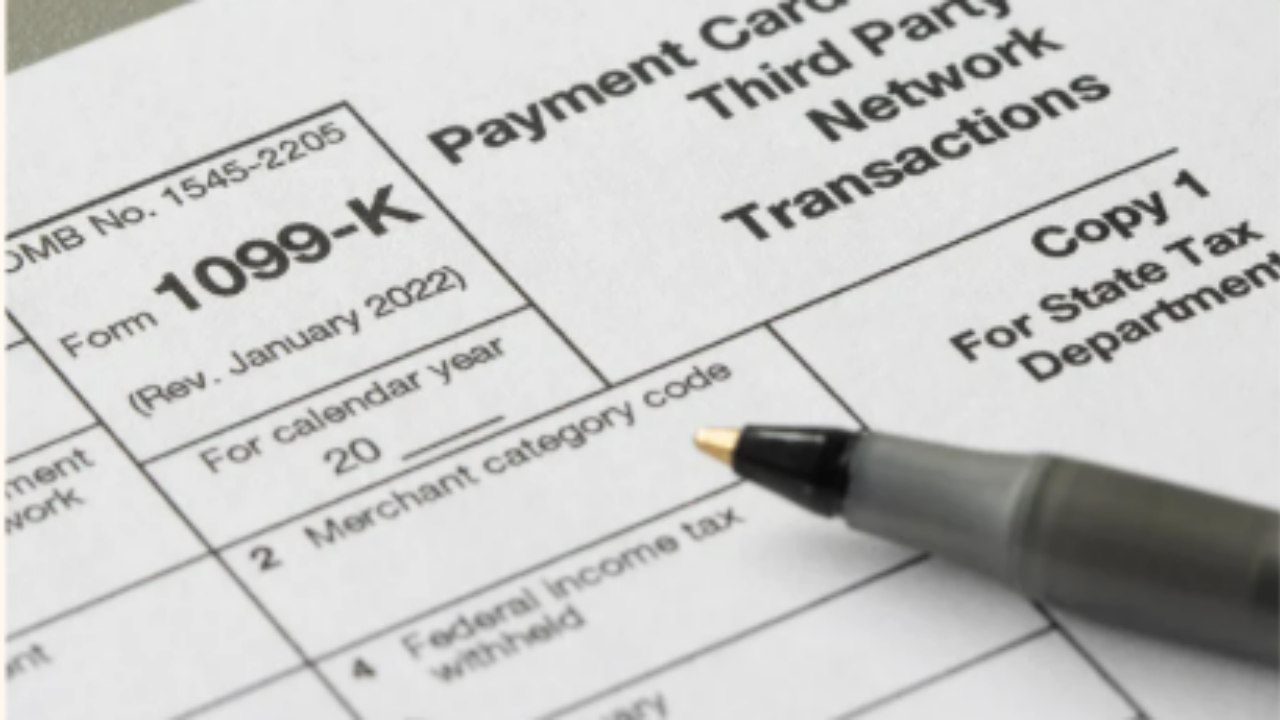
What Small Business Owners Need to Know
If the word 1099 makes your shoulders tense up every January, you’re not alone.
There are several different types of 1099 forms, each used to report different kinds of income. In this post, we’ll focus on the one most small businesses deal with: the 1099-NEC, which applies when you pay independent contractors for services.
You may also come across the 1099-MISC in specific situations — most commonly for things like rent payments or attorney fees — but we’ll keep the focus here on 1099-NECs, since they account for the majority of 1099 questions and issues small business owners face.
Let’s slow this down and cover:
- what 1099s actually are
- when they apply (and when they don’t)
- common situations where they become an issue
- and how to avoid or streamline them going forward
What Is a 1099, Really?
A 1099 is an informational return — a reporting tool the IRS uses to track income that isn’t automatically reported elsewhere.
Most small businesses are familiar with the 1099-NEC, which applies when they pay independent contractors for services.
If you pay someone who is not an employee for services in your business, the IRS wants to ensure that income is reported.
You deduct the expense.
The contractor reports the income.
The 1099 connects the two.
When a 1099 Is Required
Generally, a 1099-NEC is required when all of the following are true:
- You paid a contractor above the reporting threshold during the year
- The payment was for services, not goods
- The contractor is not a corporation (with limited exceptions)
- The payment was made using a method the IRS does not already track
Threshold update:
Under the One Big Beautiful Bill Act (OBBBA), the 1099 reporting threshold increases from $600 to $2,000 for payments made in tax years beginning after December 31, 2025.
👉 2025 is the final year the $600 threshold applies.
(See OBBBA Section 70433 — click here to learn more.)
Where 1099s Commonly Become an Issue
Most 1099 problems aren’t caused by errors — they’re caused by payment methods.
Payments that typically require a 1099 include:
- Zelle
- ACH or bank transfers
- Paper checks
- Direct payments from business checking
These methods don’t automatically report income to the IRS, which means the reporting responsibility falls on you. Many wellness and service-based industries still operate this way. That’s completely fine — it just requires tighter systems.
How to Avoid (or Fully Automate) 1099s
In many cases, 1099s can be avoided — or at least fully automated — based on how you pay your contractors.
If you pay through a third-party processor, reporting is often handled for you. Examples include:
- Stripe
- PayPal
- Square
- Credit card payments
Another option is using a contractor payroll platform like Gusto or ADP, which:
- collects W-9s upfront
- tracks contractor payments automatically
- and prepares and files 1099s at year-end
The key takeaway:
Your payment method determines your 1099 responsibility.
Choosing the right system upfront can eliminate — or significantly simplify — the process.
The One Thing That Prevents Most 1099 Problems
If you do nothing else, do this: Collect the W-9 before the first payment is made.
This single step prevents most year-end headaches.
How We Support This at Elmwood
In our Full Service package, we support:
- proactive W-9 collection
- year-round monitoring of 1099 exposure
- payment method review
- year-end 1099 prep and filing
- point of contact for vendor tax form requests
For businesses that rely on ACH, Zelle, or checks, we help you stay compliant without changing how you operate — just by tightening the system around it.
Because 1099s shouldn’t be a January fire drill. They should be a checkbox.
If you want help setting this up before next year rolls around, that’s exactly what we’re here for.
Author